
Inside Michael Bradley's system
A three months summary of the new management

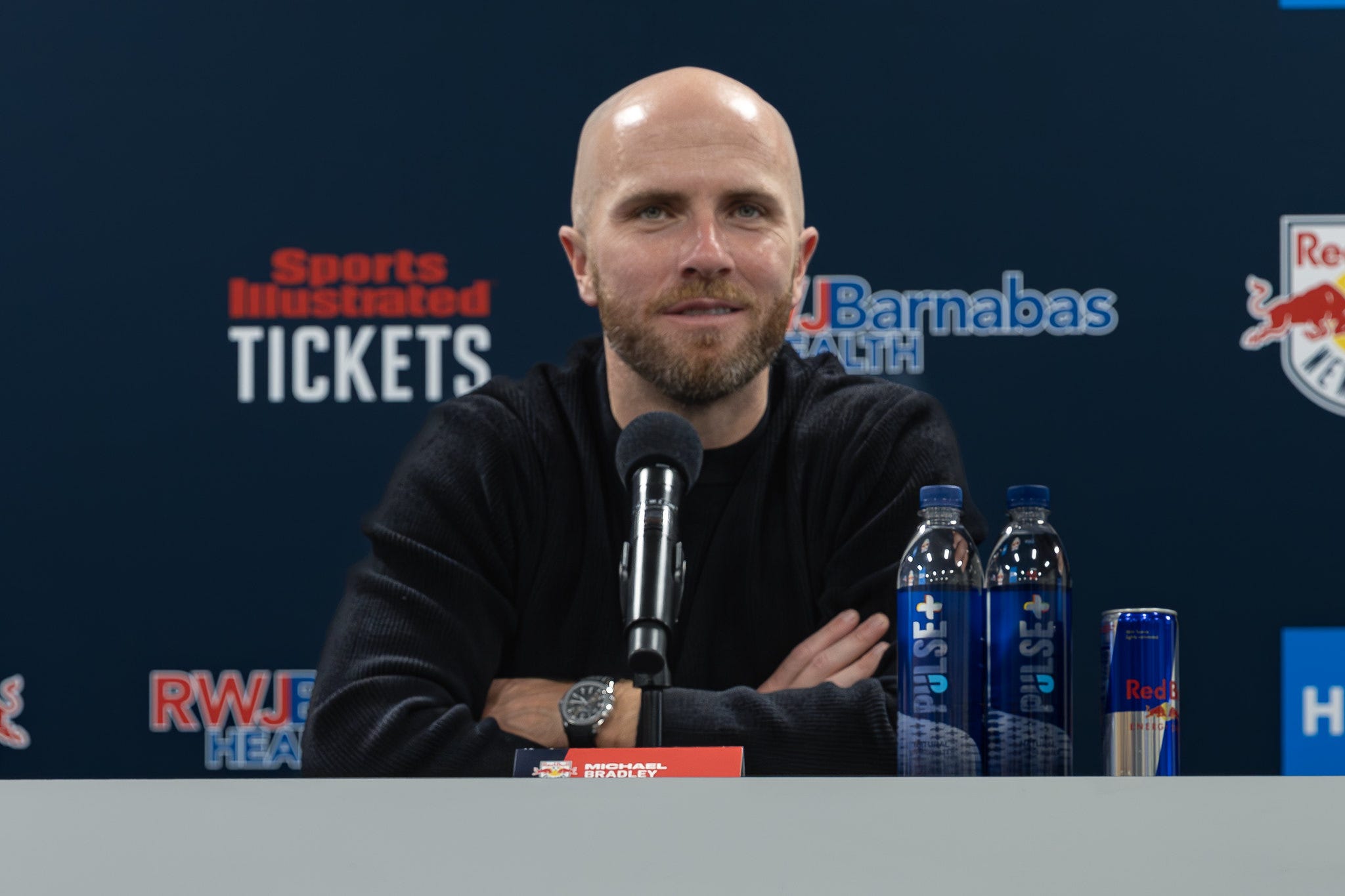
Bradley’ system is a fairly extreme tactical experiment, where the ambition of aggressive and proactive football meets with the reality of a roster that needs to find solidity and continuity. The central tension of the project lies in the gap between the ambitious overload of the final third, and a structural fragility in the defensive transitions. The team often appeared numerically unbalanced and vulnerable as soon as they lost control of the ball.
The success of the system depends on the ability to develop its youngest talents, and harmonize an aggressive structure with the necessary defensive solidity.
Is the system a brilliant intuition, or an unsustainable gamble for this group of interpreters?
The defensive characteristics of this system has already changed from the coach’s initial objective, it became a necessity to compensate for the lack of tactical discipline under pressure.
When the rhythm gets chaotic, the team loses the ability to manage the midfield, slipping into fragmented management of the game. There is also a direct correlation between mental/physical fatigue and the collapse of tactical stability. The rather recurring decline in ball possession and passing accuracy in the closing stages highlights the urgency of a bolder rotation, even though this break is obviously going to help.
Some of the risks of badly managing your possessions can bring to:
Offensive sterility: an incapability to produce a solid passing newtork, and undermine the opposing lines.
Vulnerability to transitions: a fragile “resting defensive structure” that exposes defenders to open field prairies.
Lack of control: an accuracy in passes which dropped to 70% against SKC, a sign of a technical panic that sets in when the opponent increases the pressing.
The different systems of play
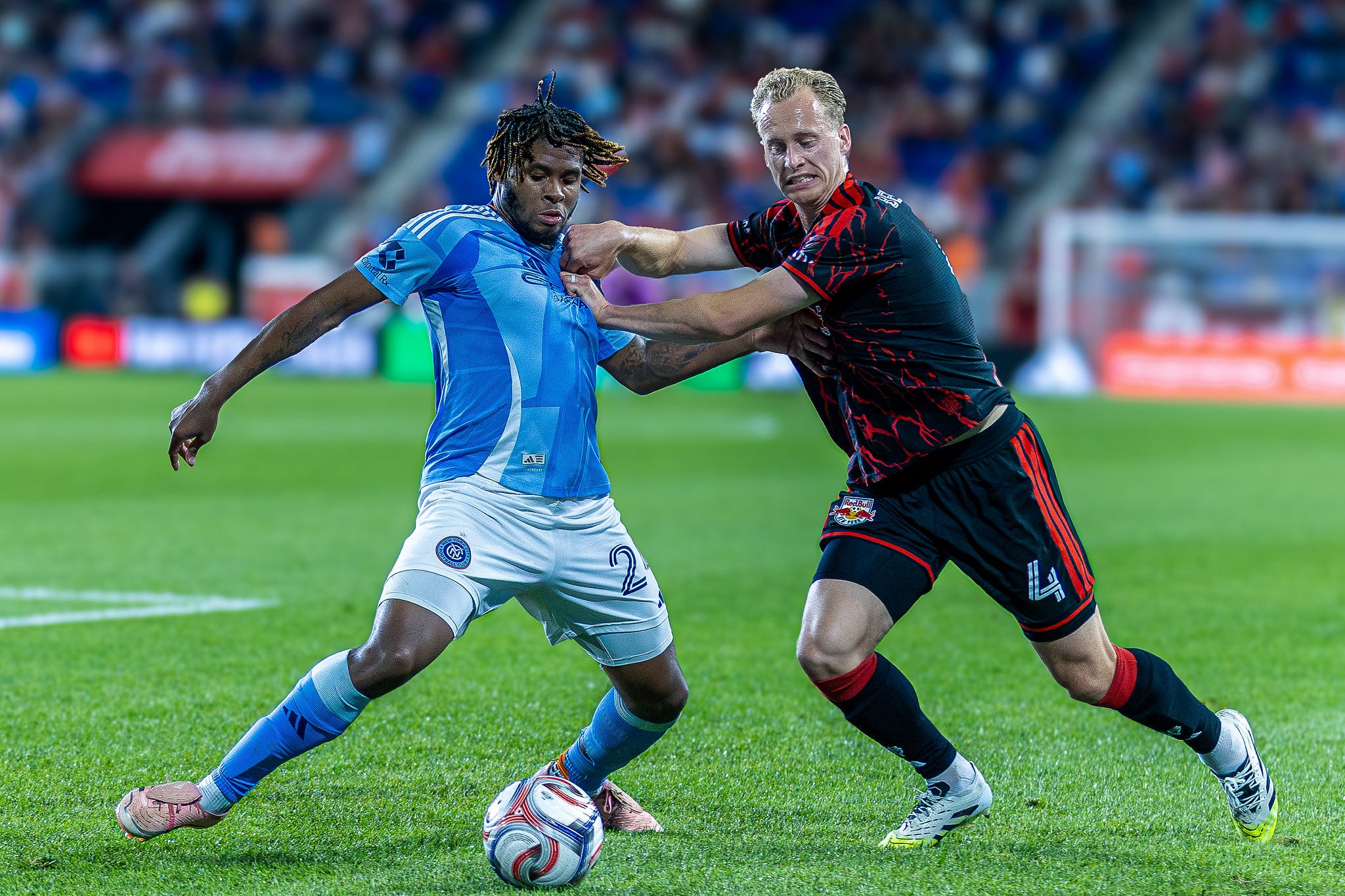
Michael Bradley has implemented a fluid structure that obviously varies between game phases.
These are the main systems utilized:
4-1-2-3 (Non-possession phase):
Represents the structural basis.
During the opponent’s construction phase, the wingers maintain a maximum width, to cover more field, but also to create internal gaps to attack in case of a quick turnover.
4-1-4-1/4-4-1-1 (Defensive/conservative phase):
Adopted to ensure compactness, as seen in Chicago for example.
When the wingers move back, the team effectively transitions into a 4-4-1-1 to form two tight lines, limiting the central gaps.
2-3-4-1/3-3-3-1 (Possession phase):
The most ambitious configuration.
It involves the centralization of the fullbacks (inverted fullbacks) on Mehmeti’ sides, either simultaneously or one at a time.
This central density acts as a “trap”: it attracts opposing pressure to compress the space and trigger rapid give-and-go sequences between the fullback, winger, and advanced midfielder.
The goal, clearly visible against Orlando City, is to generate a “numerical and positional advantage”, allowing RBNY to dictate the pace through short combinations and immediate verticalizations.
One of Bradley’ system keys is the use of inverted fullbacks: players like Matthew Dos Santos and Jahkeele Marshall-Rutty tighten their position, with the aim of creating options for Adri Mehmeti. This overload should dictate the rhythm during possessions, but often generates “disconnected lines” between midfield and defense.
The "high line gambit"
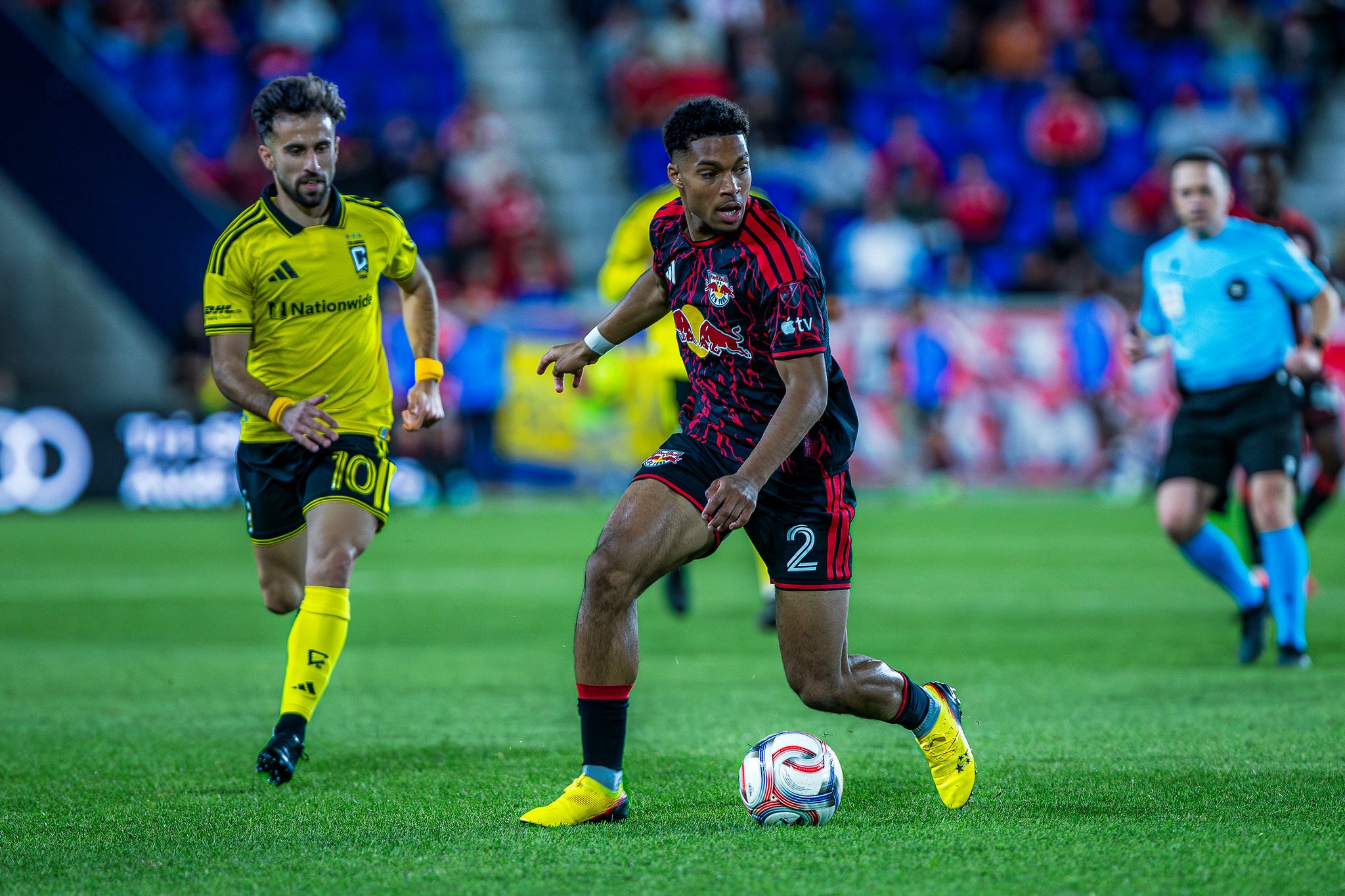
The obsession with the high line transforms the offside into an indispensable but dangerous ally.
Justin Che has become the point of reference for defensive communication, but he cannot always athletically remedy collective positioning imbalances.
Adopting a high defensive line is a calculated risk but, without a collective improvement, the defense will often be forced to make desperate recoveries in the open field, exposing the central defenders to many 1v1 situations.
When the pressing is skipped, the team finds itself numerically exposed.
As highlighted in the previous tactical analyses: “An aggressive approach must always go hand in hand with the ability to put the opponent offside.”
Without proper synchronization, the defense finds itself isolated, forced to defend many yards of the pitch against attackers launching at speed.
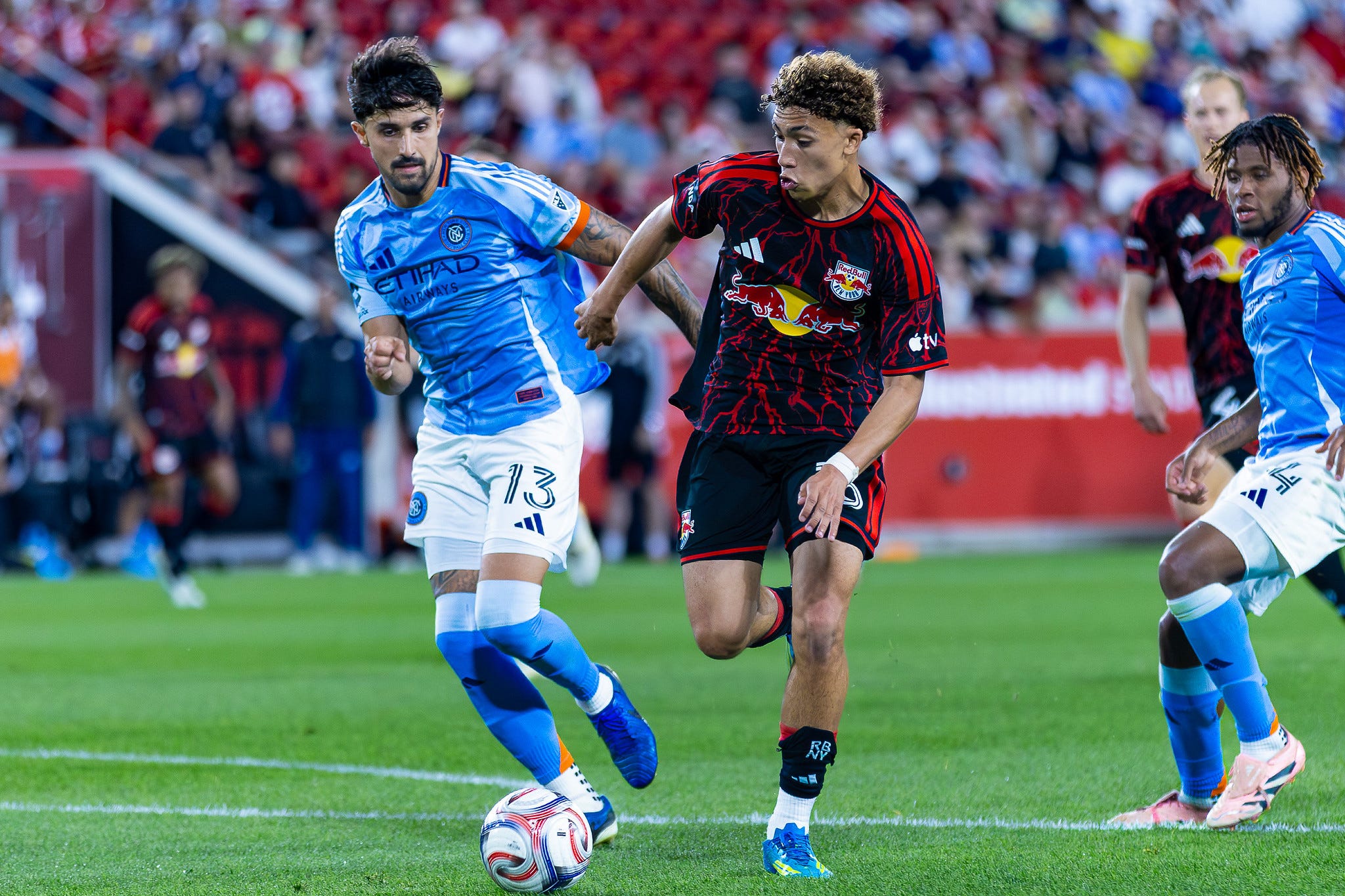
The fulcrum of the maneuver is the very young Adri Mehmeti.
At just 17 years old, the midfielder is the “beating heart” of the system, a centrality which can also make him vulnerable: teams like Toronto have begun to neutralize him with dedicated coverages.
The dependence on Mehmeti makes the maneuver fragile.
When the midfielder is screened, the team struggles to move up the pitch centrally, taking refuge in long balls that can give away possession with higher probability.
In this context, the figure of the striker becomes vital.
Julian Hall not only acts as a finisher, but as a “link” capable of dropping down to support the midfield. This movement generates a positive “domino effect”, freeing up spaces for the movements of his teammates.
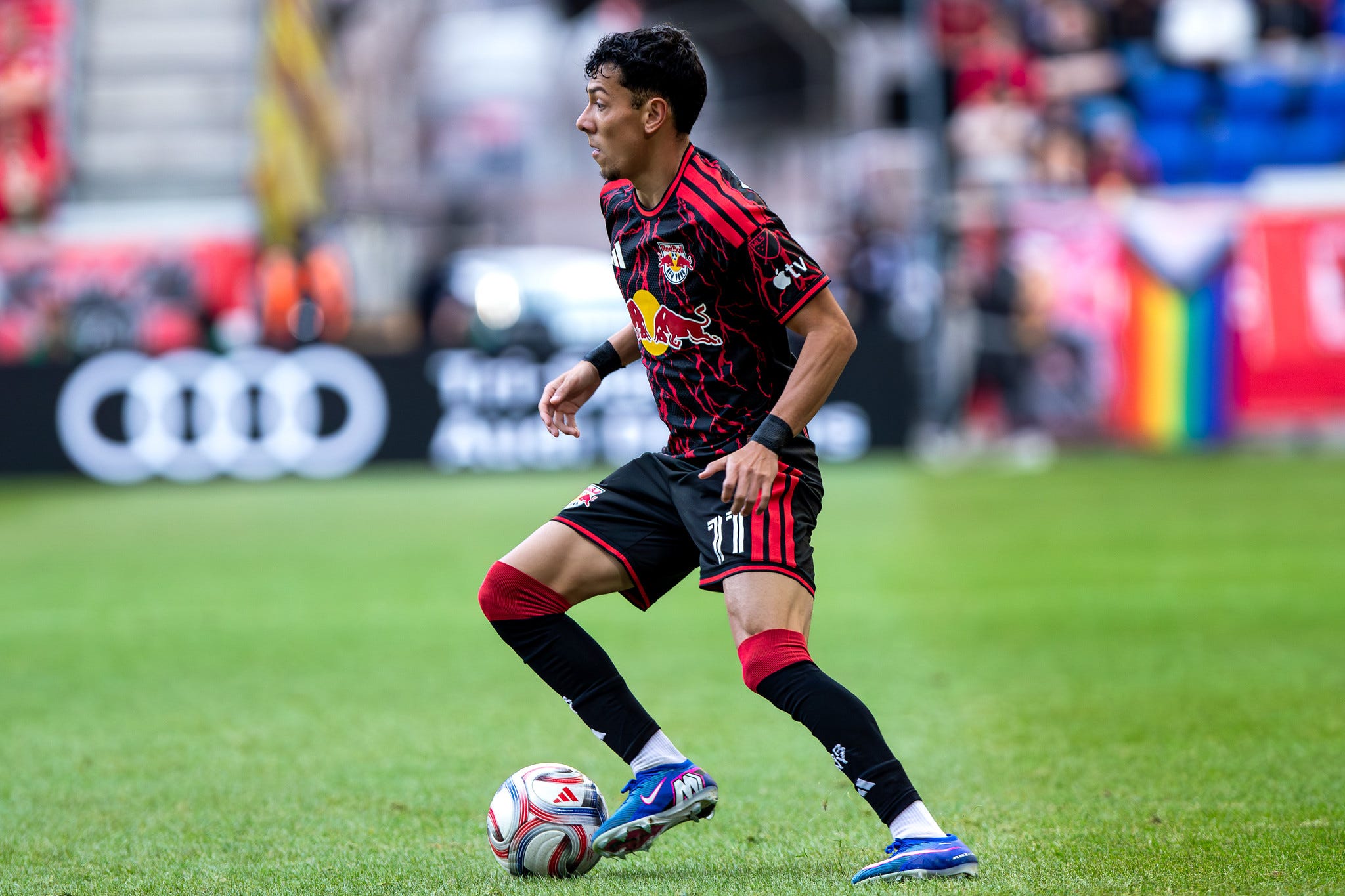
Although he was like a “ghost” against Cincinnati and Inter Miami, showing some physical and technical deficiencies, Jorge Ruvalcaba’s performance against Charlotte FC confirmed his importance as another one of the main links of this system.
The Mexican is an inside forward who thrives on “close combinations”: when the system allows him to centralize and dialogue in close quarters, as seen in his explosion of 4 goals in 4 games culminating against SKC, he can be a problem for defenses. However, when he is isolated on the wing without the proper support of the fullback or internal midfielder, his effectiveness almost vanishes, making the maneuver predictable.
The "fast food mentality" and the weight of lost duels
Under pressure, the Red Bulls tend to retreat into a “fast food mentality”, mostly characterized by frenetic transitions and long balls towards the speed of Cade Cowell.
Although the “long pass to Cowell → low horizontal cross to Julian Hall” scheme is now a trademark, its efficiency has not always been very high.
The team excels at “explosive transitions” taking advantage of Ronald Donkor’s ball retention and Cade Cowell’s progression. However, the maneuver can become predictable with time. Decisional accuracy in the final third still remains the main obstacle to maximizing effectiveness.
The data shows that the offensive unit wins only 34.6% of duels, a number that explains why for every Cowell flare-up, the team often lost at least a couple of possessions. This frenzy, while certainly being an interesting offensive trait to maintain, also limits the development of a reliable passing network in the central corridor, making the Red Bulls a team that sometimes “throws away” too many plays in favor of a desperate verticality.
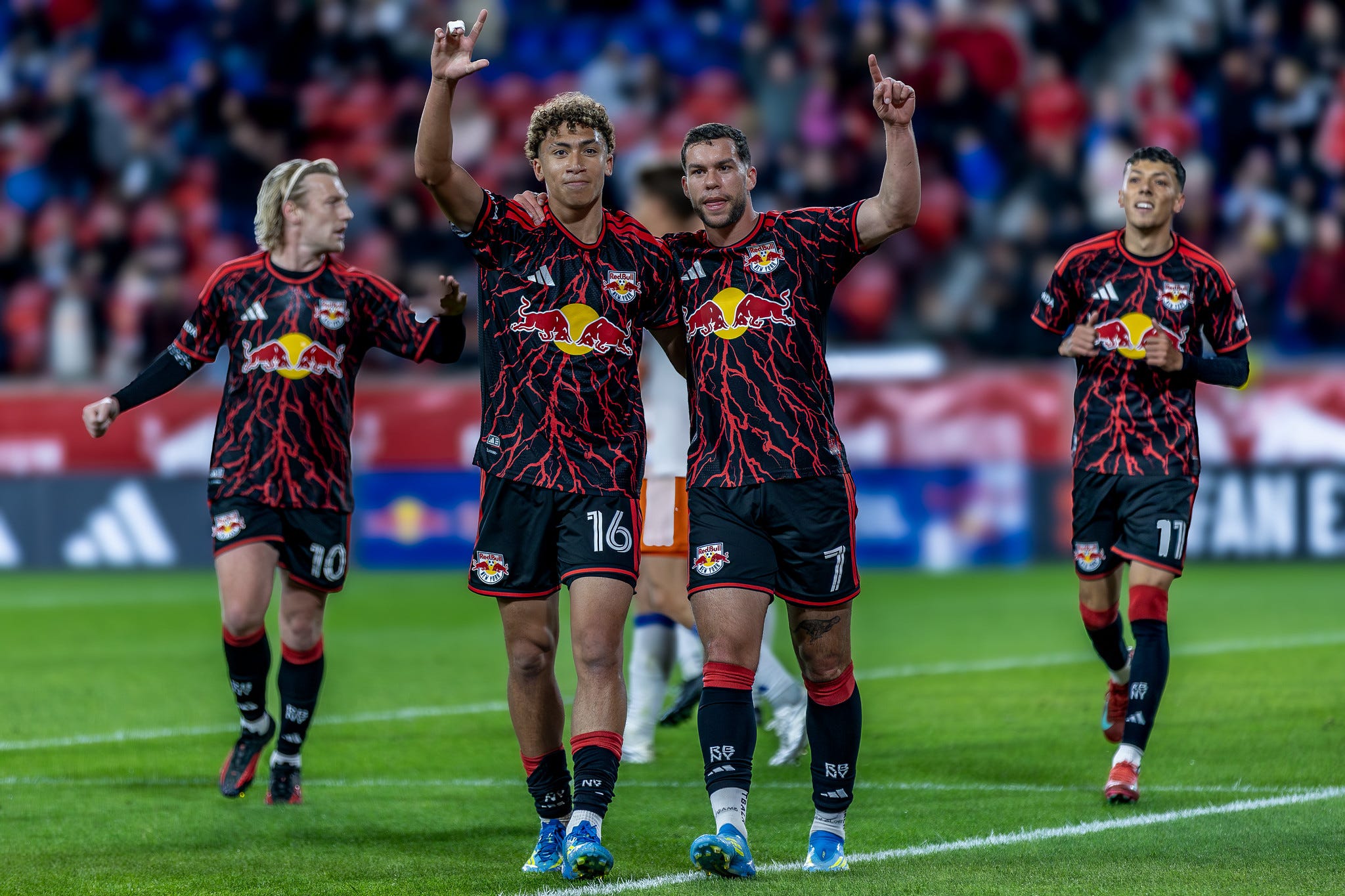
The seasonal journey so far reflected the instability of the system: after the very brief initial enthusiasm, the team sank into a crisis of 2 points out of 15 available, before finding balance with the current positive streak of four games. The calendar has now conceded to Michael Bradley a one month window with no official commitments, precious and rare time to go back to the tactical board with more calm.
The recent positive streak has given oxygen to the table, but the structural cracks, from the disconnected lines to the fragility of the defensive transition, require definitive and certain adjustments.
Bradley must decide whether to lower his “center of gravity” to protect an often exposed defense, or whether to continue to bet everything on an aggressive system which requires technical skills that, at the moment, the roster struggles to guarantee.
Ultimately, the future of the Red Bull New York will strongly depend on Bradley’s ability to inject pragmatism into his system, reducing exposure to transitions, and finding rotations that preserve the team’s clarity and control in crucial moments of the match.
The question that will define the club's future remains open: is it better to gamble on building an ambitious system, or to succeed by giving up one's identity?